

Toilet training a puppy is one of the first — and most important — skills you'll teach your new dog. Whether you've brought home an eight-week-old pup or adopted an adult dog that needs a refresher, a consistent housetraining routine prevents accidents, protects your floors, and strengthens the bond between you and your pet. This guide walks you through every stage so you can get it right the first time.
Why a Consistent Routine Matters
Dogs are creatures of habit. When meals, play sessions, and bathroom breaks happen at roughly the same times each day, your puppy's digestive system falls into a predictable rhythm — and that rhythm is your greatest toilet-training ally.
Puppies under four months old have small bladders and limited bowel control. They physically cannot hold it for long stretches, so regular, scheduled outings are essential. As your dog matures, the intervals between bathroom breaks naturally lengthen, but the foundation you build now determines how smoothly that transition goes.
A stable routine also reduces stress-related behaviors like indoor marking. Stress and anxiety can trigger setbacks, so keeping your puppy's daily life calm and structured helps everything — including flea and tick prevention schedules — stay on track.
Setting Up for Success Before Day One
Preparation makes a real difference. Before your puppy arrives, designate a specific outdoor spot (or an indoor puppy pad area) as the permanent bathroom zone. Dogs learn faster when they associate one consistent location with toileting.
Gather your supplies:
- Enzymatic cleaner — essential for removing scent traces from accidents
- A lightweight leash and collar for guided bathroom trips
- Small, soft training treats
- A crate or playpen sized so your puppy can stand and turn but not wander
- Puppy pads if you live in an apartment or high-rise
Crate training and toilet training go hand in hand. Dogs instinctively avoid soiling their sleeping area, so a properly sized crate encourages your puppy to wait until you take them to the right spot. Never use the crate as punishment — it should feel like a safe den.
Step-by-Step Toilet Training Method
1. Take your puppy out frequently. Start with trips every 30 to 60 minutes during the day, plus immediately after meals, naps, and play sessions. Young puppies may need to go out 10 or more times a day.
2. Use a cue word. As your puppy begins to toilet in the correct spot, say a simple phrase like "go potty" in a calm, consistent tone. Over time, the verbal cue alone will prompt the behavior.
3. Reward immediately. The moment your puppy finishes, offer a small treat and quiet praise. Timing is critical — rewarding even five seconds too late breaks the association between the action and the positive outcome.
4. Supervise constantly indoors. If you can't watch your puppy, use a crate or confine them to a small, puppy-proofed space. Unsupervised freedom in the early weeks almost guarantees accidents.
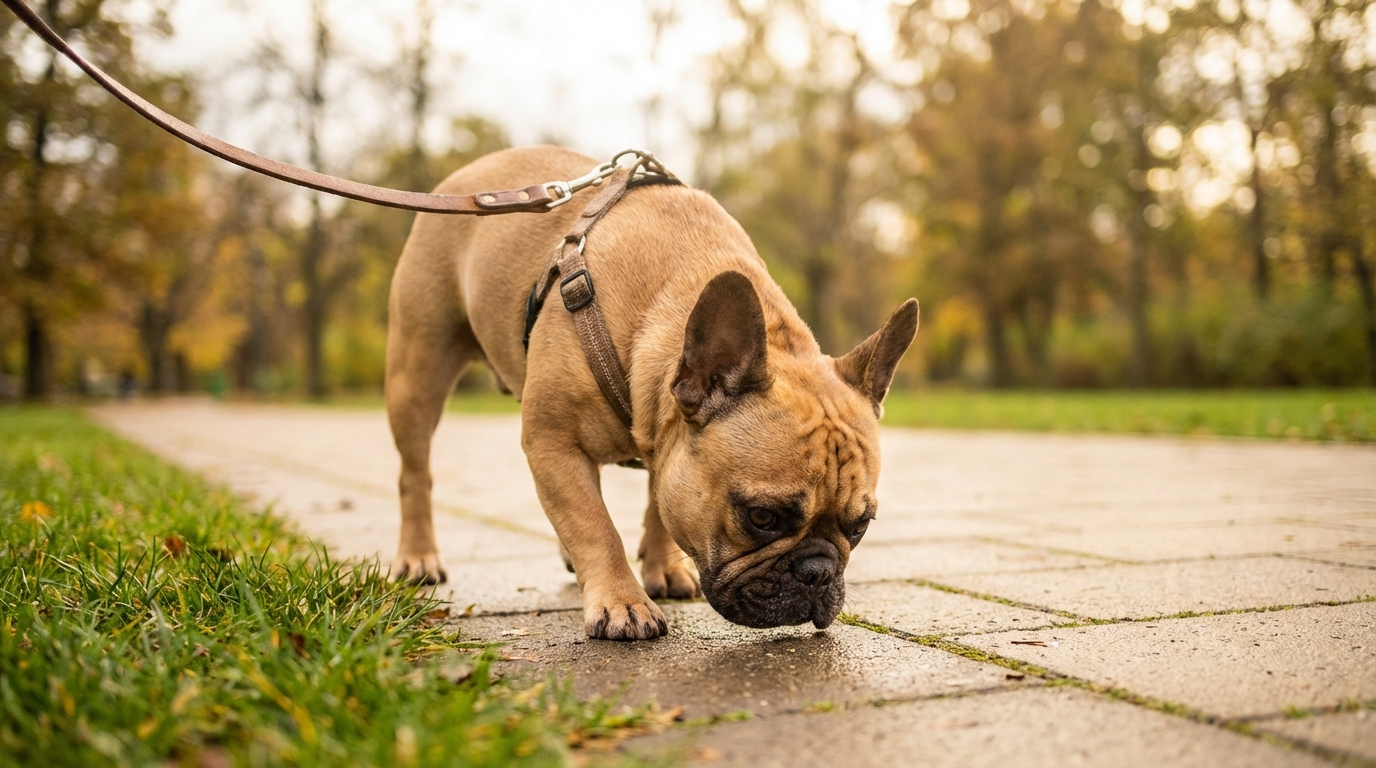
Quick tip: Watch for pre-toilet signals — circling, sniffing the ground, whining, or moving toward the door. When you spot these, calmly pick up your puppy or lead them to the bathroom zone right away. Catching the signal is faster and far more effective than cleaning up after a miss.
5. Gradually extend intervals. As your puppy goes a full week without accidents at the current schedule, add 15 to 30 minutes between outings. Most dogs can reliably hold for four hours by around four to five months of age, and longer as they reach adulthood.
Common Mistakes That Slow Progress
Punishing accidents. Scolding, nose-rubbing, or yelling after an indoor accident does not teach your puppy where to go. It only teaches them to hide when they need to toilet, making the problem harder to solve.
Inconsistent schedules. Feeding meals at random times leads to unpredictable bathroom needs. Stick to set meal times and remove the food bowl after 15 to 20 minutes, whether your puppy finishes or not.
Cleaning with the wrong products. Standard household cleaners mask odors to your nose but not to a dog's. Enzymatic cleaners are the only reliable way to fully break down urine markers, which is why they're non-negotiable for housetraining.
Giving too much freedom too soon. Gradually expand your puppy's access to the house only after they've proven reliable in smaller areas. Rushing this step is the most common reason families experience regression at the three- to four-month mark.
While you're establishing routines, it's also a great time to start your puppy on heartworm prevention — building healthy habits early covers all bases.
Toilet Training an Adult or Rescue Dog
Adult dogs that haven't been housetrained — or those adjusting to a new home — benefit from the same method described above. The main difference is that adult dogs have better bladder control, so progress is often faster once the routine clicks.
Rescue dogs may have anxiety-driven accidents during their first few weeks. Give them time to decompress. Keep outings frequent, reward every outdoor success, and resist the urge to scold setbacks. Most adult dogs settle into a reliable pattern within two to four weeks.
If an adult dog that was previously housetrained suddenly starts having accidents, a medical issue like a urinary tract infection could be the cause. Rule out health problems before assuming it's a behavioral regression.
Frequently Asked Questions
How long does toilet training a puppy usually take?
Most puppies are reliably housetrained between four and six months of age, though some breeds take longer. Consistency is the biggest factor — dogs on strict schedules with immediate rewards learn faster than those on irregular routines.
Should I use puppy pads or go straight to outdoor training?
Either approach works. Puppy pads are useful when outdoor access is limited, but transitioning from pads to outdoors adds an extra training step. If you can start with outdoor trips from day one, it's generally more efficient.
What should I do if my puppy keeps having accidents at night?
Limit water intake about two hours before bedtime, and take your puppy out for a final bathroom break right before you go to sleep. For very young puppies, set an alarm for one middle-of-the-night outing until their bladder capacity improves.
Toilet training takes patience, but the payoff — a confident, well-mannered dog — is worth every early morning trip outside. If accidents persist beyond six months of age or appear suddenly in a trained dog, have a chat with your vet to rule out underlying health concerns. In the meantime, browse our dog worming and parasite prevention range to keep your puppy protected while they master the basics.